PropertyMatters AI | AI Takeaways
- The restored Old Acropolis Museum returns to use on 23 November.
- Its programme features four exhibitions of archaeology, contemporary art and digital applications.
- Materials were lifted onto the Rock by a construction crane when weather conditions allowed.
The Old Acropolis Museum, southeast of the Parthenon, returns to use on 23 November. A complete refurbishment lets the historic building serve as a venue for archaeology, contemporary art and digital exhibitions. The new programme starts with four distinct exhibitions.
Refurbishment on the Rock
When the principal exhibits moved to the new Acropolis Museum, the old building closed to the public and was used for a time to store finds. Culture Minister Lina Mendoni dates the start of the latest project to 2019. The restoration design was adapted to accommodate different kinds of exhibitions.
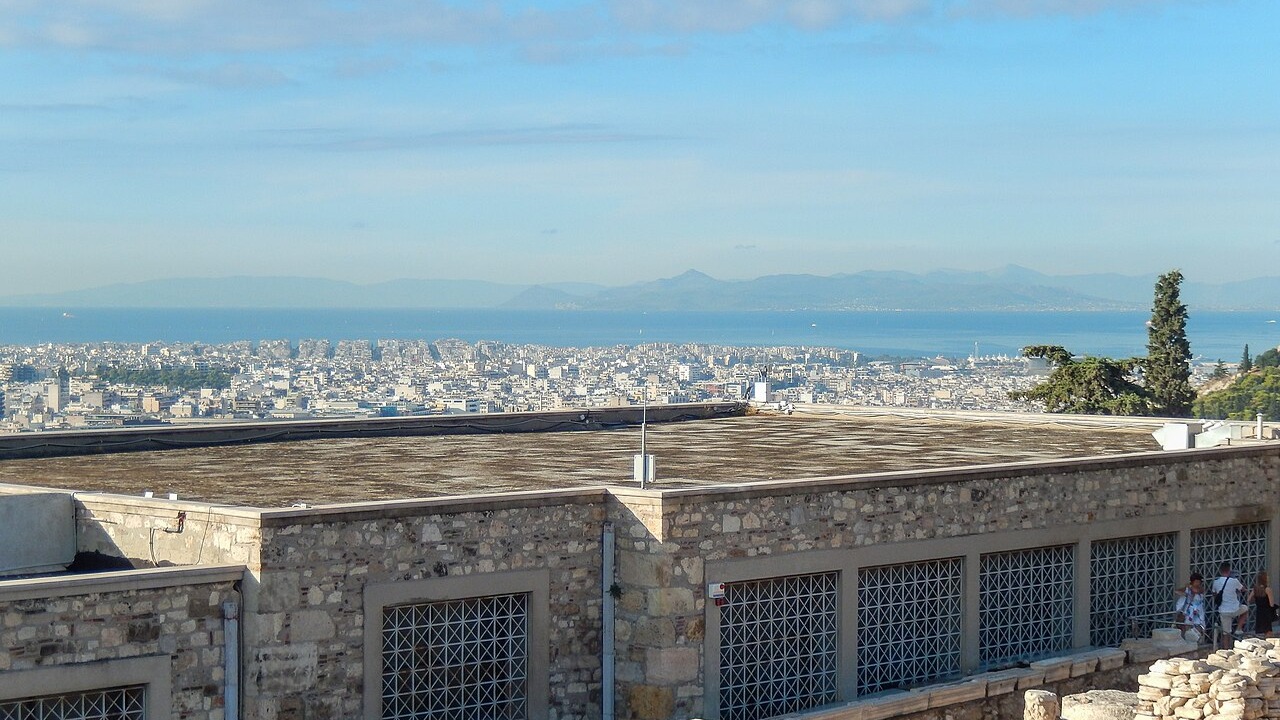
The location within the archaeological site also determined how the work could be done. According to the minister, equipment ranging from metal components to display cases was lifted onto the Rock from Plaka by a construction crane. Strong wind or rain stopped transport for safety.
The four uses of the exhibition spaces
Athinai Polis Idea recounts the ancient city’s transformation through excavated finds. The Open Storage of Acropolis Finds displays stone architectural elements and inscriptions. Parthenon Alive, a collaboration between the Technical University of Crete and the Ephorate of Antiquities of the City of Athens, uses digital reconstructions to show how the Rock changed in different historical periods.
The contemporary programme features an exhibition by Michael Rakowitz with the Ministry of Culture and NEON. For its opening on Monday, 23 November, NEON announces free attendance by reservation, entry through the archaeological site’s main gate and last admission at 19:30. Those hours apply to the event.
The building rejoins the visitor route
The new use brings the old museum into the route across the Rock itself. Visitors will be able to see exhibitions about the site in the place where its monuments stand. The building’s limited capacity, noted by the opening organiser, already shapes visitor flow at the first event.