
The key points
- The official roadmap covers the port, marina and adjoining land.
- The €415 million figure is a preliminary Class 5 estimate with a ±50% range.
- The land component is estimated at €190 million, the marina at €20 million and the port at €205 million.
- Institutional decisions, a viability study and a unified master plan precede development.
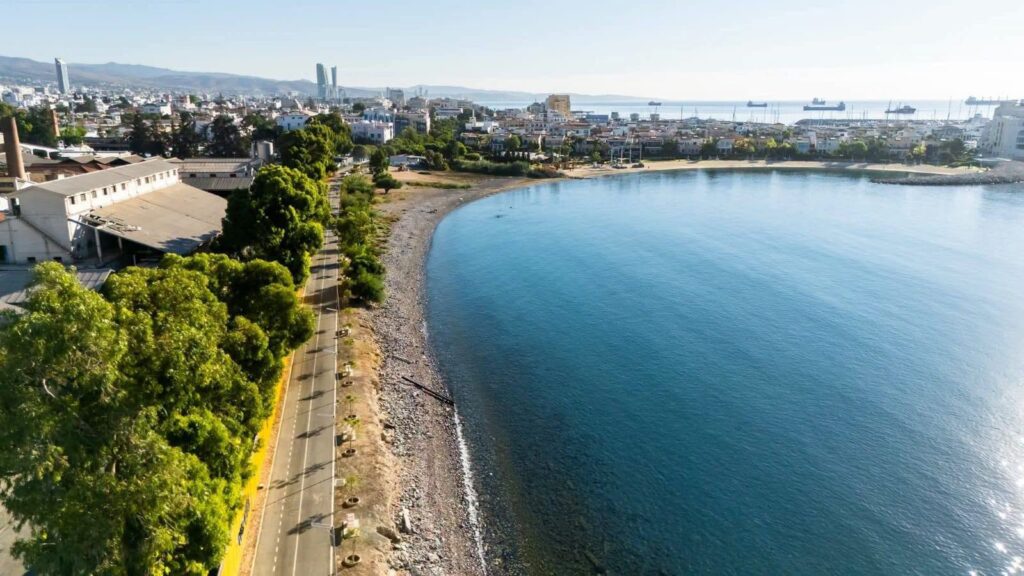
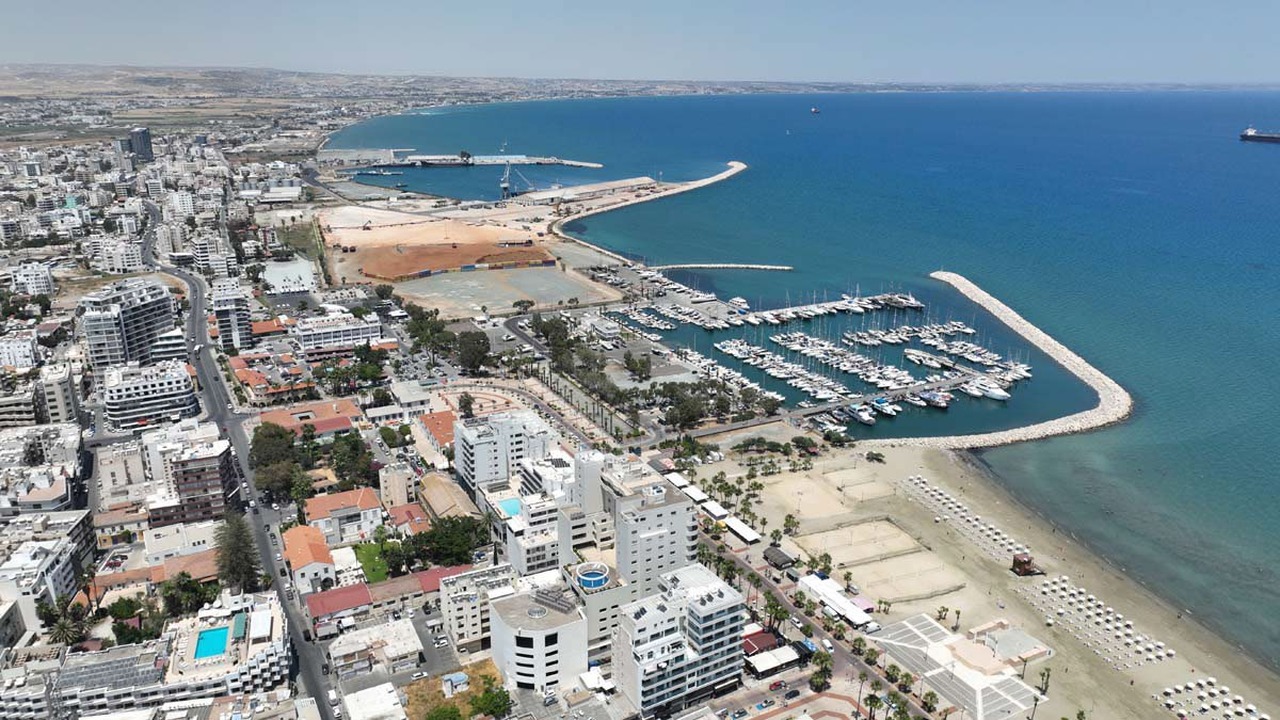
The port, marina and land areas make up the development plan for Larnaca’s waterfront. Progress requires a shared operational and planning direction. Parliament’s discussion of the marina’s management concerns the first of these steps: establishing the institutional basis on which development can proceed.
The institutional decision that comes first
Briefing the Transport Committee on 5 November, Minister Evi Tsolaki outlined the procedures for transferring possession and management of the marina to the Ports Authority. The draft regulations require consultation and scrutiny before reaching the Council of Ministers and Parliament. The minister placed the completed proposal’s submission by the end of 2026.
For development to move forward, the responsible body’s ability to manage the site is a fundamental starting point. Plans for future uses must be matched by clear responsibilities, procedures and a financing model.
What the €415 million includes
The Ports Authority’s official presentation, published by Larnaca Municipality, separates three subprojects. Together they account for the €415 million total, explicitly described as a preliminary Class 5 estimate with a ±50% range.
| Development component | Preliminary estimate | Roadmap timeframe |
|---|---|---|
| A. Marina land areas and adjoining land | Approximately €190 million | 2027–2036 |
| B. Marina regeneration and development | Approximately €20 million | 2027–2036 |
| C. Port modernisation and development | Approximately €205 million | 2027–2045 |
Cost estimates will become more precise as studies progress and the technical scope, funding and contracts are defined. At this stage, the presentation sets out the plan’s long-term direction.
Land and infrastructure must be planned together
For the land component, the roadmap includes improvements to the public realm, relocation of the existing boatyards, roads and utility networks, green spaces and parking. Building development is linked to the uses permitted under the Local Plan.
This sequence matters in practice: commercial development needs workable access, networks, public spaces and clearly defined uses. A unified plan adds value by coordinating these elements so that the waterfront connects with the city and operates as a whole.
The market’s next checkpoints
The published plan provides for an updated assessment of investor interest, a viability study and a unified master plan. These steps will establish more precisely which projects can proceed, which bodies will deliver them and on what financial basis.
For businesses and property owners in the area, official approvals, sufficiently developed studies and specific contract awards carry greater weight. They will provide a more reliable picture of the sequence of works. The current institutional discussion concerns the step that allows this preparation to continue.
The eventual effect on the property market will depend on the final uses and actual implementation. What matters for Larnaca is continuity in a process connecting the port waterfront with the functioning of the city.
PropertyMatters editorial team