
PropertyMatters AI | AI Takeaways
- The funded project has a budget of €3.085 million covering the building, courtyard and archaeological finds.
- The Kokovikos House is intended to host activities of the Hellenic Film and Audiovisual Center – Creative Greece.
- December 2029 is the project horizon. A date for public access has yet to be announced.
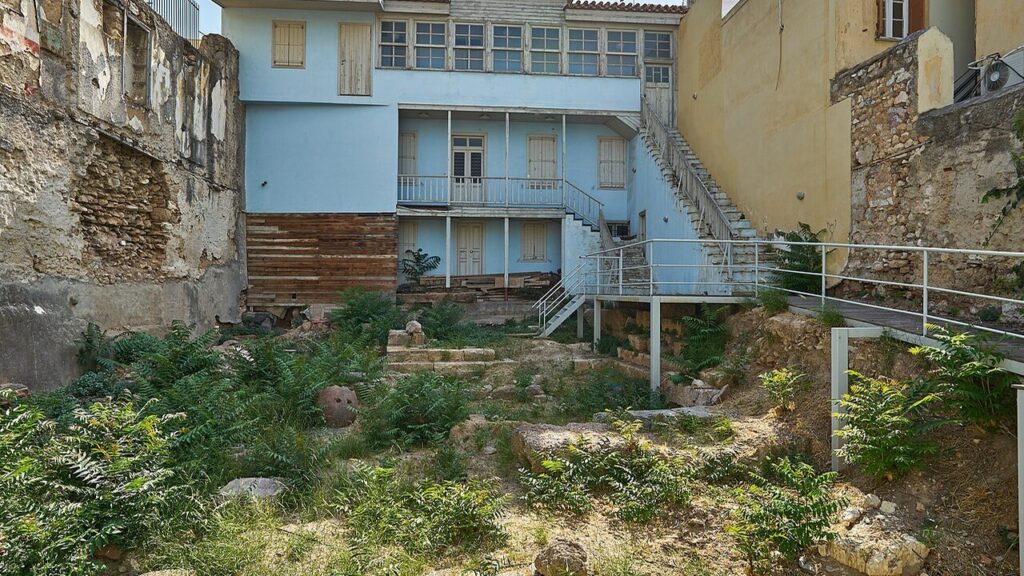
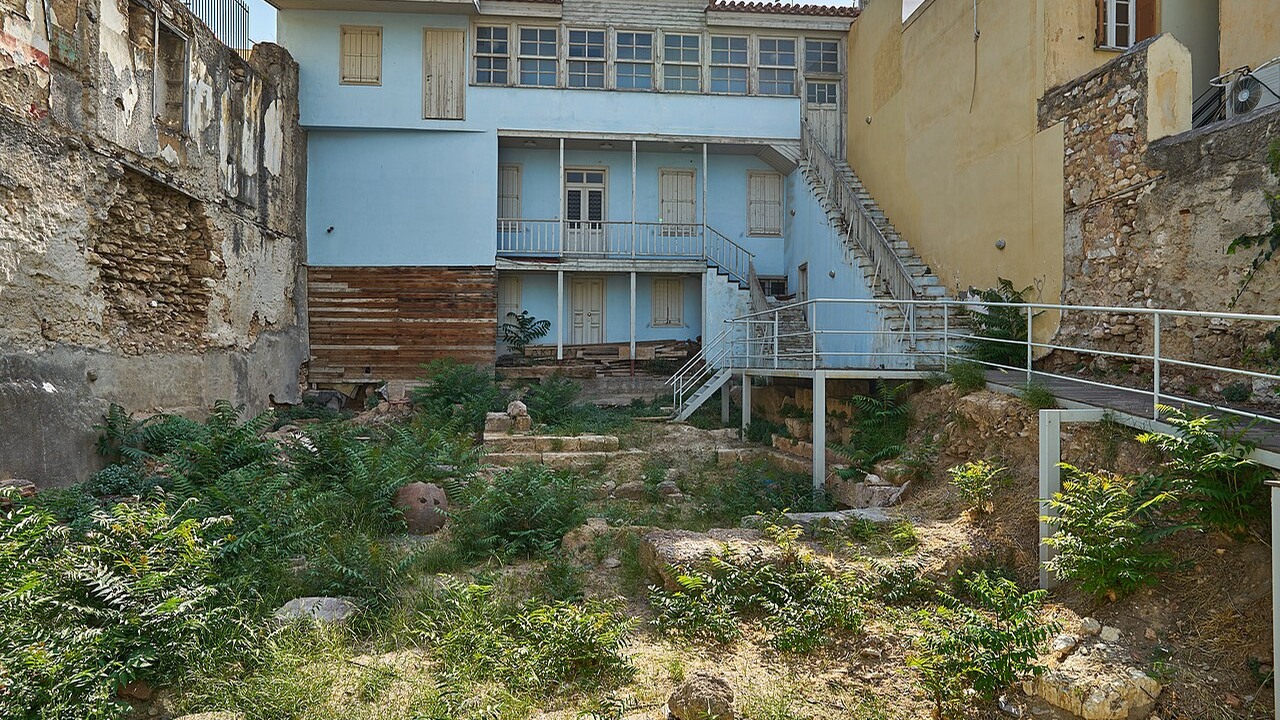
At 32 Tripodon Street in Plaka, the courtyard of the house associated with the film I de gyni na fovitai ton andra lies lower than it did before excavation. For the building to be used again, the design needs to reconnect courtyard and house and reveal the archaeological remains. The total project budget is €3.085 million.
What the project file provides for
The Ministry of Culture file describes restoring the main stone building and reconstructing a substantial part of the courtyard at its historic level. A new ancillary building will reproduce the form of one that was demolished and serve the new use. The plans provide for full accessibility for people with disabilities in the new building.
The same project includes stabilising and conserving the courtyard’s antiquities, lighting and plumbing designs, and adapting the architectural design to the Central Archaeological Council’s conditions.
Who will use the property
The restored monument is intended to host activities of the Hellenic Film and Audiovisual Center – Creative Greece. The file divides the project into six subprojects, with an implementation period from 1 September 2026 to 31 December 2029. The 2029 date is the funded project’s horizon. Public visiting dates remain to be announced.
The same question for Cyprus’s old buildings
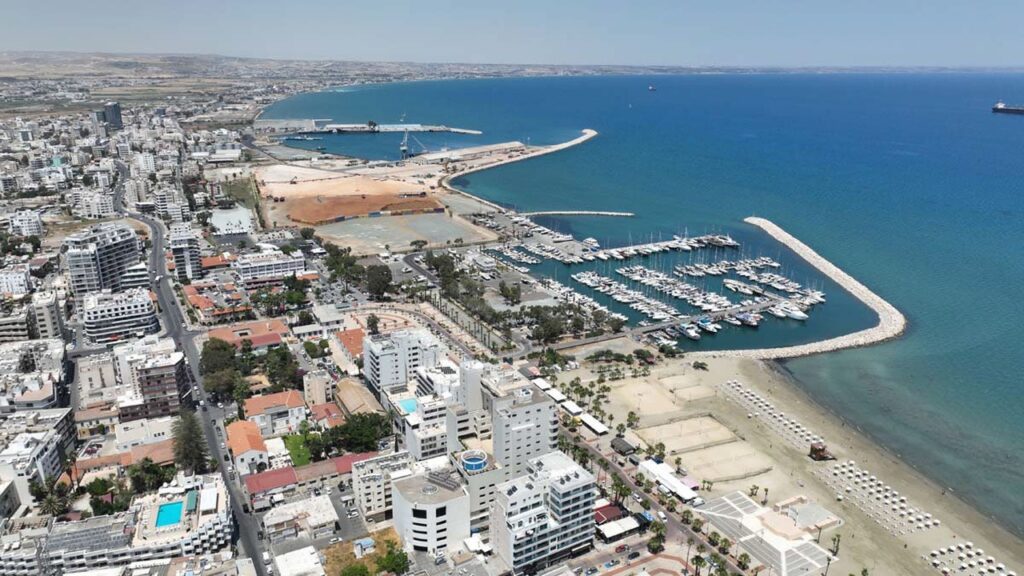
The reuse of the Customs warehouses as Larnaca Municipal Art Gallery shows why a building’s future use needs to be known early. It determines access requirements, how visitors move and the infrastructure needed to operate the space. In Plaka, the equivalent test is whether visitors can understand the old house, courtyard and finds together.
Additional sources Greek Ministry of Culture | Ministry of Culture · History of the house | iefimerida